HAVE QUESTIONS ?
hr@qulfruits.com
0194605674

HAVE QUESTIONS ?
hr@qulfruits.com
0194605674
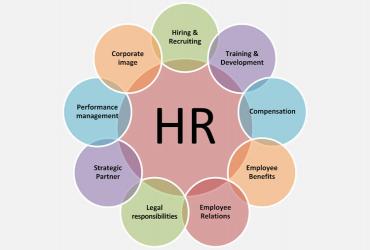
Human Resource Management (HRM) aligns a company’s people strategy with its business goals to improve productivity and performance. It covers recruiting, hiring, onboarding, employee development, and fostering a healthy workplace culture.
HR helps define company values, policies, and behavior standards. From punctuality to flexible work arrangements, HR sets the tone for what’s expected and acceptable, directly influencing how teams work together.
In a fast-changing business world, HR plays a key role in helping companies adapt. By guiding teams through transitions, bridging communication gaps between departments, and building plans for workflow or crisis changes, HR ensures continuity and resilience.
Even skilled employees need training to align with company practices. HR ensures consistent onboarding and ongoing learning to keep staff up-to-date, innovative, and engaged in their roles.
Conflicts between employees or between staff and management are inevitable. HR steps in as a neutral party to mediate and resolve issues professionally, preventing escalation and maintaining a healthy work environment.
Beyond writing safety policies, HR ensures employees understand workplace risks. Whether through signs near heavy machinery or emergency response planning, HR promotes safety and reduces legal risks for the company.
Finding the right talent and keeping them motivated is core to HR. From hiring and onboarding to offering growth opportunities and benefits, HR ensures your team stays skilled, loyal, and productive.
HR fosters good communication and collaboration across teams. It organizes meetings, workshops, and company-wide activities to build a positive and connected workplace.
While small companies might try to manage these functions manually, an effective HR system—especially an automated one—saves time and ensures better decision-making. Every business, regardless of size, benefits from a tailored HR strategy that supports its unique goals and people.